


Tanzania stands as one of Africa’s premier safari destinations, offering an unparalleled combination of diverse ecosystems, abundant wildlife, and breathtaking landscapes. From the endless plains of the Serengeti to the volcanic crater of Ngorongoro, a safari in Tanzania promises encounters with nature’s most magnificent creatures in their natural habitat. This East African nation has perfected the art of wildlife tourism, providing visitors with experiences that range from luxury lodges to authentic bush camping, all while maintaining a commitment to conservation and community development.
Why Choose Tanzania for Your Safari Adventure
Tanzania encompasses approximately 945,000 square kilometers of varied terrain, with nearly 30% dedicated to protected wildlife areas. This commitment to conservation has created one of the largest networks of national parks and game reserves in Africa. The country’s geographical diversity ranges from coastal plains along the Indian Ocean to highland plateaus, mountain ranges including Mount Kilimanjaro, and the Great Rift Valley lakes.
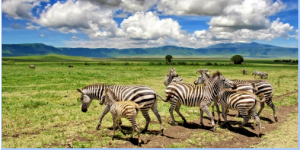
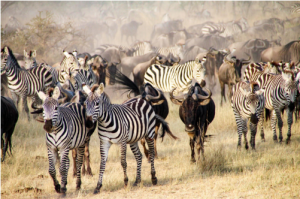
The sheer abundance of wildlife sets Tanzania apart from other safari destinations. The country hosts the Great Migration, often described as the greatest wildlife spectacle on Earth, where over two million wildebeest, zebras, and gazelles traverse the Serengeti ecosystem in an ancient circular journey driven by rainfall patterns and the search for fresh grazing. Beyond this natural phenomenon, Tanzania provides habitat for the iconic Big Five—lion, leopard, elephant, buffalo, and rhinoceros—alongside countless other species that make every game drive an adventure into the unknown.
Premier Safari Destinations in Tanzania
Serengeti National Park
The Serengeti represents the quintessential African safari landscape. Covering approximately 14,750 square kilometers, this UNESCO World Heritage Site features vast grasslands dotted with acacia trees, rocky outcrops called kopjes, and riverine forests. The park’s name derives from the Maasai word “Siringet,” meaning endless plains, a fitting description for horizons that seem to stretch into eternity.
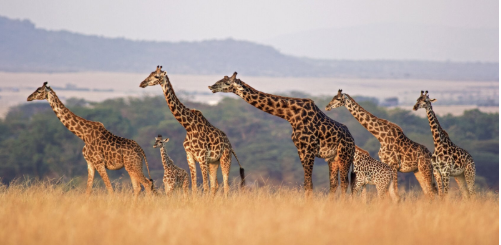
Wildlife viewing in the Serengeti remains exceptional year-round, though the Great Migration brings dramatic predator-prey interactions between December and July in various regions of the park. Lions, leopards, and cheetahs thrive here in high densities, while elephants, giraffes, and numerous antelope species graze the plains. The park also supports over 500 bird species, making it a paradise for ornithologists and casual birdwatchers alike.
Ngorongoro Crater
The Ngorongoro Conservation Area centers around the world’s largest intact volcanic caldera, formed when a massive volcano exploded and collapsed approximately two to three million years ago. The crater floor, sitting 600 meters below the rim, spans about 260 square kilometers and functions as a natural amphitheater for wildlife viewing.
This unique ecosystem supports one of the densest concentrations of wildlife in Africa. The crater harbors an estimated 25,000 large animals, including the critically endangered black rhinoceros, massive-tusked elephants, and prides of lions. The permanent water sources and lush grazing areas ensure year-round wildlife presence, eliminating the seasonal variations that affect other parks. The Ngorongoro Crater offers virtually guaranteed sightings of the Big Five within a single day, a claim few other locations can make.
Tarangire National Park
Often overlooked in favor of its more famous neighbors, Tarangire National Park provides an intimate safari experience with remarkable elephant populations and distinctive baobab-studded landscapes. During the dry season from June to October, Tarangire becomes a magnet for wildlife as the Tarangire River serves as the only permanent water source in the region.
Elephant herds numbering in the hundreds congregate along the riverbanks, creating extraordinary photographic opportunities. The park also shelters tree-climbing lions, greater kudus, fringe-eared oryx, and over 550 bird species. The ancient baobab trees, some over 1,000 years old, create a surreal backdrop that distinguishes Tarangire from other Tanzanian parks.
Selous Game Reserve and Ruaha National Park
For those seeking wilderness adventure away from tourist crowds, southern Tanzania offers exceptional safari experiences. Selous Game Reserve, recently renamed Nyerere National Park in its northern section, ranks among Africa’s largest protected areas. The Rufiji River system creates a network of channels, lakes, and swamps that support hippos, crocodiles, and diverse birdlife. Boat safaris along these waterways provide perspectives unavailable in traditional vehicle-based game viewing.
Ruaha National Park, Tanzania’s largest national park, features rugged terrain dominated by the Great Ruaha River. The park’s remote location ensures fewer visitors, while its ecological position at the transition zone between East and Southern African ecosystems creates remarkable biodiversity. Elephants, particularly large bulls with impressive tusks, roam Ruaha in significant numbers, and the park holds notable populations of both lions and the endangered African wild dogs.
Planning Your Safari Experience
Best Time to Visit
Tanzania offers excellent safari opportunities throughout the year, though timing depends on specific interests. The dry season from June to October provides optimal game viewing conditions as animals concentrate around water sources and vegetation, improving visibility. This period coincides with the wildebeest migration in the northern Serengeti and river crossings at the Mara River, though exact timing varies annually based on rainfall patterns.
The green season from November to May brings lush landscapes, newborn animals, and spectacular birdlife as migratory species arrive from Europe and Asia. Rates typically decrease during this period, and fewer tourists mean more exclusive experiences. The short dry spell in January and February offers excellent conditions in the southern Serengeti where the migration herds gather for calving season.
Safari Styles and Accommodation Options
Safari in Tanzania accommodates diverse budgets and preferences through varied safari styles. Luxury lodges and tented camps provide high-end amenities, gourmet cuisine, and exceptional service while maintaining harmony with the natural environment. These establishments often occupy prime locations with stunning views and exclusive wildlife access.
Mid-range options balance comfort and affordability, offering en-suite tents or bandas with essential amenities and good game viewing access. Budget camping safaris appeal to adventurous travelers willing to sacrifice luxury for authentic bush experiences and lower costs. Mobile tented camps follow the migration, providing front-row seats to the greatest wildlife show while maintaining flexibility and intimacy.
Safari Activities Beyond Game Drives
While traditional game drives form the foundation of any Tanzania safari, additional activities enrich the experience. Hot air balloon safaris over the Serengeti provide aerial perspectives of the plains and wildlife at sunrise, followed by champagne breakfasts in the bush. Walking safaris, accompanied by armed rangers, offer intimate encounters with smaller flora and fauna often missed from vehicles, and teach visitors about tracking, ecosystems, and survival adaptations.
Cultural visits to Maasai villages provide insights into traditional pastoralist lifestyles that have coexisted with wildlife for centuries. These interactions, when conducted through responsible tourism operators, benefit local communities while educating visitors about indigenous cultures. Night game drives in certain parks reveal nocturnal species rarely seen during daylight hours, including leopards, hyenas, genets, and bush babies.
Wildlife Conservation and Responsible Tourism
Tanzania’s safari industry plays a crucial role in wildlife conservation by providing economic incentives for habitat protection. Park entrance fees, concession payments, and employment opportunities create tangible benefits that encourage communities to value wildlife as a sustainable resource. Many lodges and tour operators actively support anti-poaching efforts, community development projects, and wildlife research initiatives.
Responsible safari tourism requires mindful behavior from visitors. Maintaining appropriate distances from animals prevents stress and habituation that could endanger both wildlife and future tourists. Staying within designated roads and areas protects fragile ecosystems from erosion and disturbance. Supporting operators who employ local staff, source supplies locally, and contribute to community projects ensures tourism benefits extend beyond park boundaries.
The concept of photographic safaris has replaced hunting as the primary form of wildlife tourism in Tanzania, reflecting changing global attitudes toward conservation. This shift has proven financially beneficial, as individual animals viewed by thousands of tourists over their lifetimes generate far more revenue than single hunting trophies. Photography also allows visitors to “capture” animals without causing harm, creating lasting memories while supporting conservation.
Practical Considerations for Safari Planning
Getting There and Getting Around
International visitors typically fly into Julius Nyerere International Airport in Dar es Salaam or Kilimanjaro International Airport near Arusha. Domestic airlines connect these entry points to airstrips near major parks, significantly reducing travel time compared to road transfers. Light aircraft flights also provide spectacular aerial views of Tanzania’s diverse landscapes.
Most visitors join organized safaris with reputable tour operators who provide experienced guides, properly maintained vehicles, and comprehensive logistics support. These professionals possess intimate knowledge of wildlife behavior, optimal viewing locations, and safety protocols. Self-drive safaris are possible for experienced travelers comfortable with challenging road conditions and independent navigation, though this option requires thorough research and preparation.
Health and Safety Preparations
Visitors should consult travel health professionals several weeks before departure to obtain necessary vaccinations and malaria prophylaxis. Yellow fever vaccination certificates are required for travelers arriving from endemic countries. Comprehensive travel insurance covering medical evacuation is essential, as serious medical facilities may be distant from remote safari locations.
Safari parks generally maintain high safety standards, though wildlife viewing inherently carries risks. Following guide instructions, remaining in vehicles except in designated areas, and maintaining awareness prevents most incidents. Lodges and camps typically provide safety briefings addressing precautions specific to their locations.
Combining Safari with Other Tanzanian Experiences
Tanzania’s attractions extend beyond wildlife safaris, allowing visitors to create diverse itineraries. The Zanzibar Archipelago offers pristine beaches, historic Stone Town, spice plantations, and excellent diving or snorkeling opportunities. Combining safari and beach creates popular two-part itineraries that balance adventure and relaxation.
Mount Kilimanjaro, Africa’s highest peak, attracts trekkers from around the world who challenge themselves to reach Uhuru Peak at 5,895 meters. Climbing Kilimanjaro requires no technical mountaineering skills but demands physical fitness and proper acclimatization. Combining a Kilimanjaro trek with safari creates a comprehensive Tanzanian adventure encompassing both mountain and savanna ecosystems.
Cultural tourism programs throughout Tanzania provide opportunities to engage with diverse ethnic groups beyond typical tourist circuits. These experiences, when conducted ethically, offer authentic cultural exchange while providing communities with alternative income sources.
Conclusion
A safari in Tanzania delivers transformative experiences that connect visitors with nature’s raw beauty and power. Whether witnessing the Great Migration’s thundering herds, observing lions on a kill, or simply absorbing the peaceful African sunset from a lodge veranda, Tanzania creates memories that endure long after departure. The country’s commitment to conservation, coupled with world-class tourism infrastructure and welcoming people, positions it as the premier safari destination for first-time visitors and experienced safari enthusiasts alike.
Success in safari planning comes from clear priorities, realistic budgets, and partnerships with knowledgeable operators who can translate your dreams into achievable itineraries. Tanzania’s diversity ensures that whether you seek luxury, adventure, solitude, or family-friendly experiences, the perfect safari awaits within its borders. The magic of Africa’s wildlife and landscapes calls to the human spirit in profound ways, and Tanzania answers that call with unmatched authenticity and abundance.
Key Takeaways
- Unmatched Wildlife Diversity: Tanzania hosts the Great Migration and maintains healthy populations of the Big Five alongside hundreds of other species across varied ecosystems
- World-Class National Parks: From the Serengeti’s endless plains to the Ngorongoro Crater’s natural amphitheater, Tanzania offers diverse safari destinations each with unique characteristics
- Year-Round Opportunities: Different seasons provide distinct advantages, with the dry season optimal for general wildlife viewing and the green season offering lush scenery and fewer crowds
- Flexible Safari Styles: Accommodation options range from basic camping to ultra-luxury lodges, ensuring accessibility across budgets while maintaining quality experiences
- Conservation Success: Responsible tourism directly supports wildlife conservation and community development, making your safari contribution to preservation efforts
- Beyond Game Drives: Walking safaris, balloon rides, cultural visits, and specialized activities enrich the traditional safari experience
- Combination Possibilities: Tanzania allows seamless integration of safari with beach relaxation in Zanzibar or mountain trekking on Kilimanjaro for comprehensive adventures
- Professional Infrastructure: Experienced guides, quality vehicles, and established tourism networks ensure safety and maximize wildlife encounters
Frequently Asked Questions
How much does a Tanzania safari cost?
Safari costs vary widely based on accommodation level, duration, season, and group size. Budget camping safaris start around $200-300 per person per day, mid-range lodge-based safaris range from $400-600 daily, and luxury experiences can exceed $1,000 per person daily. Prices typically include accommodation, meals, park fees, game drives, and guide services, but exclude international flights, visas, tips, and personal expenses.
Is Tanzania safe for safari tourism?
Tanzania maintains a strong safety record for tourists, with safari areas generally very secure. Wildlife parks follow strict safety protocols, and violent crime against tourists is rare. Standard precautions apply in cities, while safari lodges and camps provide secure environments. Political stability in Tanzania has historically been strong compared to some neighboring countries, supporting consistent tourism operations.
What’s the best safari circuit for first-time visitors?
The Northern Circuit, encompassing Serengeti, Ngorongoro Crater, Tarangire, and Lake Manyara, offers the most developed infrastructure and highest wildlife densities, making it ideal for first-time safari-goers. This circuit provides diverse landscapes, excellent Big Five viewing, and accommodation options across all budgets within relatively short driving distances from Arusha.
Can I see the Great Migration year-round?
The migration is a continuous circular movement, so it occurs somewhere in the ecosystem year-round, though specific locations and spectacles change seasonally. December through March finds herds in the southern Serengeti for calving, April through June sees movement northwest, July through October features dramatic river crossings in the northern Serengeti and Maasai Mara, and November brings the herds back south.
How long should I plan for a Tanzania safari?
A minimum of five to seven days allows proper exploration of two to three parks without excessive rushing. Ten to fourteen days provides comprehensive coverage of the Northern Circuit or allows combination with southern parks. Longer safaris can incorporate additional regions, activities like trekking, or beach time in Zanzibar. Budget at least one full day in each major park for satisfactory wildlife viewing.
What wildlife can I expect to see?
While wildlife sightings vary by season, location, and luck, visitors commonly encounter elephants, zebras, wildebeest, giraffes, buffaloes, various antelope species, hyenas, and numerous bird species. Lions are frequently seen, especially in the Serengeti and Ngorongoro. Leopards and rhinos are less common but regularly spotted in certain areas. Cheetahs favor open plains, while wild dogs remain rare but possible in specific parks.
Do I need special photography equipment?
While professional wildlife photographers use telephoto lenses (300-600mm), excellent safari photos are possible with more modest equipment. A camera with a zoom lens of at least 200-300mm captures most wildlife adequately. Smartphones can photograph closer subjects and landscapes. Binoculars (8×42 or 10×42) enhance wildlife viewing significantly. Bring extra batteries, memory cards, and dust protection as recharging opportunities may be limited.
What should I pack for a Tanzania safari?
Essential items include neutral-colored clothing (khaki, olive, beige) for game drives, warm layers for early morning drives, a wide-brimmed hat, quality sunglasses, high-SPF sunscreen, insect repellent with DEET, comfortable closed-toe shoes, a light rain jacket, and personal medications. Many lodges offer laundry service, reducing the amount of clothing needed. Check with your operator regarding luggage restrictions for small aircraft transfers, typically 15kg in soft bags.